

The difference between organisations that thrive and those that bleed talent isn't compensation alone - it's whether they can read the signals early enough to act.
HR Analytics and the Fight to Keep Good People
There’s one conversation that occurs in virtually every boardroom, at any point but typically Q3, where someone passes a sheet over the table with the remark, “We’re seeing higher attrition.”
Then, of course, there’s the uncomfortable silence that follows, since no one really knows why or how, exactly. The usual suspects, compensation, leadership, development – perhaps all or none of the above. This is costly downtime; various studies have found the replacement costs for a mid-tier level employee range from 50 to 200 percent of their yearly salary due to such considerations as recruiting, training, decreased productivity, and the morale effect of losing an experienced staff member.
For companies that employ several thousand people, just a 2%-point increase in attrition could result in losses reaching into millions of dollars. Traditionally, HR departments have been some of the last teams in the game to take data analysis seriously. This is not so anymore, and there’s much we can learn from those at the forefront of this change.
.jpg)
Just a 2% increase in attrition could result in losses reaching into millions of dollars
From Intuition to Reality
“People Analytics” is just a buzzword in today's world. However, when boiled down to the basics, this concept can be viewed as nothing but a way to use workforce-related information, such as trends in hiring, employee engagement rates, performance indicators, turnover, absenteeism, salary levels, etc., to know the state of affairs concerning personnel management and even make some predictions on the possible outcomes.
As can be seen, the main difference between the descriptive and predictive approaches in HR lies in the fact that the latter can help detect whether a person is about to resign from a position in a certain period in contrast to the former's inability to provide any foresights.
Google has been one of the first companies to implement people analytics. Thus, the people operations department of this company conducted a project called “Project Oxygen”, which sought to determine the importance of management for an organisation.
The difference between descriptive and predictive HR is simple — one tells you what happened, the other tells you what's about to.
Although it turned out that managers played a significant role in the process, it was not their quantitative performance data that was considered during the research; instead, the combination of numerical results and subjective experiences led to an innovative outcome. More interesting is what resulted from it.
The team in charge of people analytics within Google created several predictive models using “what if” analysis to continuously refine and hone their predictions about future people management issues and opportunities, as well as using analytics to create more efficient workforce planning. It wasn’t about reducing the humans to data. It was, as one day Google’s Director of People Analytics Prasad Setty understood, about providing managers with the data necessary to make better human decisions.
This is a fine yet significant distinction. Data don’t manage people. Data help humans manage people better.
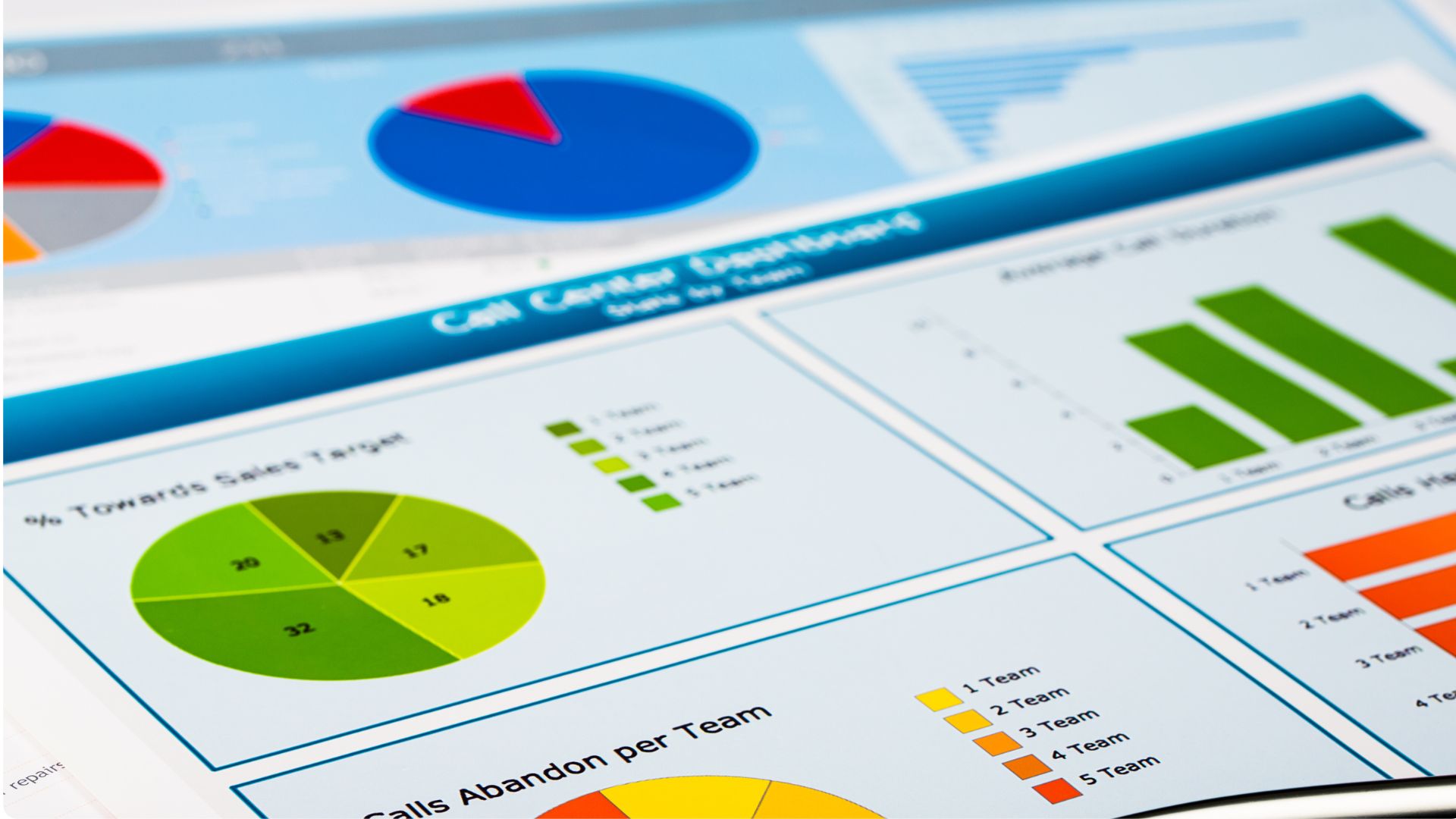
The goal was never to reduce people to data. It was to give managers better data so they could make more human decisions.
The Problem with the Attrition Signal
There is an inherent difficulty associated with the issue of attrition: the problem is the timing of the signal itself. Once an individual resigns in his heart and stops actively participating in group activities (doesn’t raise his hand in meetings, keeps his LinkedIn account up to date), much of the work is already completed. His resignation becomes simply a matter of formality.
That’s where Credit Suisse learned from their people analytics. As a result of their large headcount and advanced tracking systems, Credit Suisse’s analytics department had plenty of data on whom, why, and when employees left. The team dove deeper into the actual events leading up to departures by examining more than 40 metrics, including performance levels, tenure within a position, and team size. The predictive algorithm allowed the company to determine precisely how likely it was for a particular employee to leave in the upcoming year using just ten metrics.
The takeaway? Outcome showed the need of ten out of forty. You do not necessarily need all the metrics. You need the essential metrics that are constantly measured. When you have them, turnover no longer catches you off guard.
Credit Suisse didn't need 40 metrics to predict who'd leave - they needed the right ten.
What Metrics Should Be Included in an HR Dashboard?
An effective HR analytics dashboard is not a compilation of fancy graphics to show in a presentation. Instead, the more important question is whether the numbers displayed on your dashboard influence decision-making.
In practice, the best HR analytics dashboards monitor several types of metrics:
Attrition risk segmentation
Not general attrition risk; specific attrition risk segments. In which department, for which tenure group, which manager’s team, which location? The total tells you very little. A company that loses 12% each year with even attrition across the organisation is facing a totally different scenario from the one that loses 80% of its attrition among its most valuable engineers.
Correlation between engagement survey and exit interviews
Most organisations conduct both engagement surveys and exit interviews, but they rarely do anything with the information. The real magic occurs once the two pieces of information start being correlated – whether employees’ grievances voiced during the survey correlate with their reasons for leaving.
Length of time in role and promotion speed
The employees with higher attrition risks usually have lower tenure and stay in their positions shorter. When a person spends three to four years without progress in the same position, it’s not difficult to make predictions. An HR dashboard alerting of possible issues would provide the opportunity to change the course before an employee goes job hunting.
Individual manager attrition statistics
Difficult topic, but crucial. Some managers retain employees better, while others fail. Statistics will show and dashboards reflect the truth.

Some managers keep people. Others quietly push them out. The dashboard doesn't lie.
Indian IT Sector and Attrition Crisis
No industry has suffered more in terms of managing people data than the Indian IT services sector. In the years after the pandemic, many of India's biggest firms were experiencing some of the highest attrition rates due to an influx of hiring and a labour market where lateral moves became almost quarterly events.
The major Indian IT firms such as TCS, Infosys, Wipro, and HCL Tech have seen their attrition figures decline as the hiring environment has cooled down. TCS alone has seen its attrition drop to 17.8% for Q1 FY24, down from 20.1% the previous quarter. However, while this might be seen as a positive trend in HR management, this decrease is not only due to better practices; it is also a function of external factors.
It is precisely the operations data of the Indian IT sector that highlights why the case can be considered particularly instructive. As reported by Infosys CFO Jayesh Sanghrajka, utilisation rates, that is, the amount of work time devoted to client projects, went up from 77% at the beginning of the year to 82%. Such indicators are precisely the type of cross-departmental data point that HR analytics should bring to light.

No industry has learned harder lessons in workforce data than Indian IT - and no industry has more to teach because of it.
AI has been applied in many of the HR processes by TCS, whereby AI systems have been used to monitor KPIs, evaluate employee performance, and predict future performance using past data. Using AI, TCS can adopt a more proactive strategy to manage its human resources by predicting potential problems even before they arise.
In general, the Tata Group has made efforts towards establishing an efficient HR framework within a conglomerate that involves very diverse business groups such as steel production, hospitality, automotive, and financial services. The Group has developed and successfully implemented a Group HR Strategy among its group companies, although implementing HR policies across several foreign corporations was still a difficult task for the Tata Group.
Here, the lesson learned is that the value of analytics is limited by the quality of the available data, and this may be a more difficult problem for conglomerates.
The value of analytics is limited by the quality of the available data
The Gap in Diversity Revealed by the Data
In the domain of diversity, one space where people analytics has played it straight is diversity itself. While it is relatively simple to adopt a diversity strategy, it can be difficult to track its success at every stage - from hiring to retention, promotion, and compensation.
The people analytics team at Google carried out analysis that pointed to the reasons behind low diversity in recruiting, retention, and promotions - particularly when it came to female engineers. These findings, especially around hiring, retention, and promotion, made a tremendous and measurable difference.
Without the data, the gap could easily be blamed on an absence of women in engineering. Once you had the data, you found out exactly where these women were dropping off during the process - and that turned out to be a completely different story.
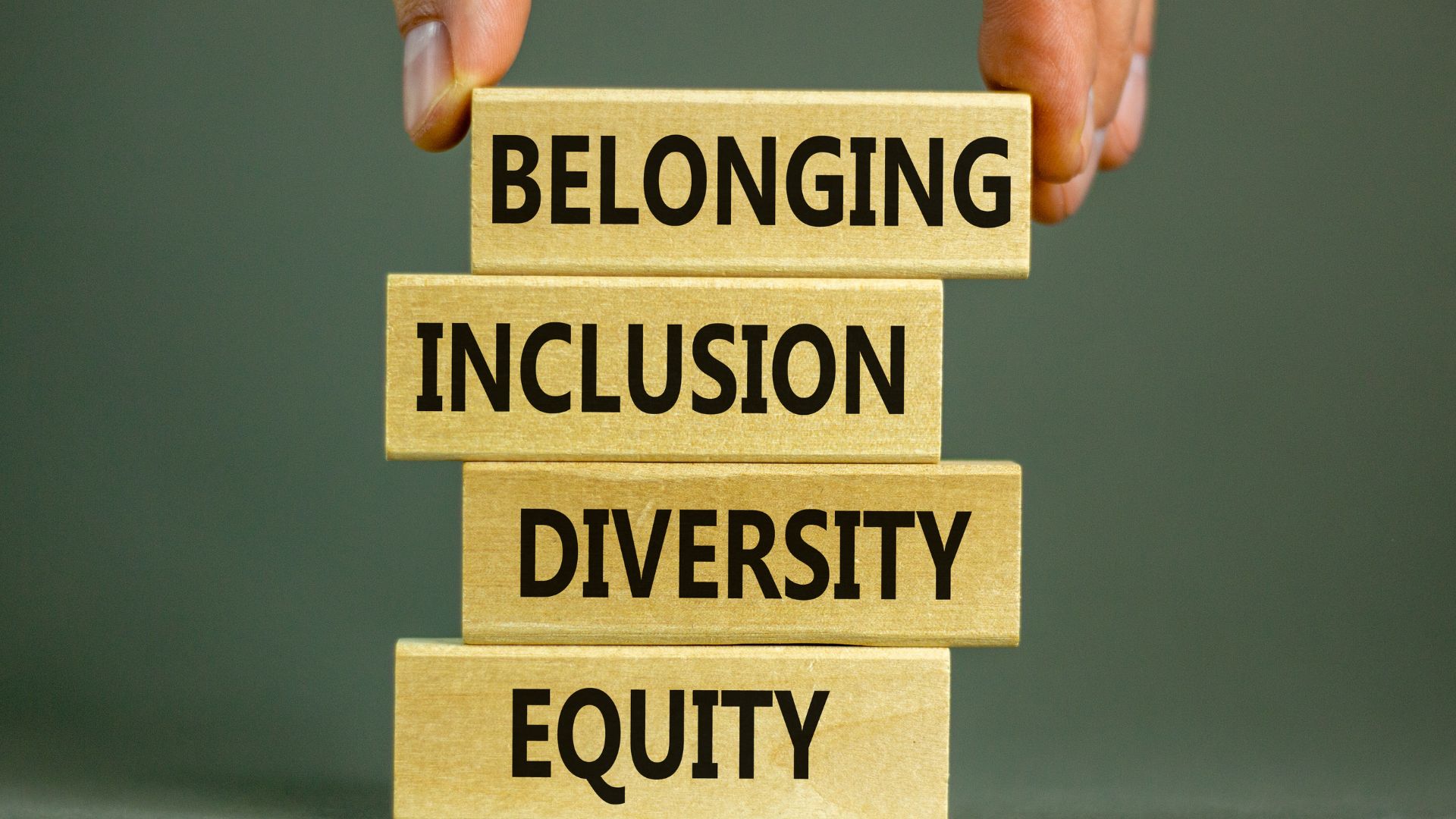
Diversity without data is just intention. Analytics turns it into accountability.
The Human Side of the Data
There is a dystopian side of people analytics in which there is no real insight, only surveillance masquerading as analytics. Such people analytics tracks how long employees spend on tasks, how often they use Slack, and even flags which employees take too many bathroom breaks.
Those who do this right know what data is acceptable to track and what isn't, but most importantly, they always keep the person in the equation. The data shows the pattern; the manager discusses it in conversation. The algorithm highlights the risk; the skip-level meeting addresses it. The survey reveals the department with low psychological safety; leadership then changes something about it.

There's a thin line between insight and surveillance. The best organisations know exactly where it is.
Organisations can use the predictive analytics to detect potential risks in advance, for instance, the probability of attrition, which would help them act before any losses occur and create a culture where they can leverage top performers.
HR analytics provides managers with the instruments they need to achieve maximum results in terms of performance improvement and creating a positive atmosphere. The keyword here is empower. The analytics that disenfranchise managers or turn employees into test subjects do not really work.
The best HR analytics doesn't replace the manager's instinct. It gives that instinct something solid to stand on.
Status of Indian Conglomerates in HR Analytics
The adoption of HR analytics in India has been varied. The growth spurt of the IT industry and subsequent use of technology in the early 2000s were the initial stages of the emergence of HR analytics in India. At first, HR analytics was adopted by major IT firms using technology to manage workforce performance, thus laying the groundwork for other industries.
Darwinbox, an Indian HR technology firm, lists among its enterprise customers Tata Group and Mahindra Group. The HR technology platform offers all-in-one solutions, including recruitment, payroll, employee engagement, and analytics, which would otherwise be too expensive for smaller organisations.
The issue that still needs to be sorted out is not necessarily a technological one but rather an interpretation one. Today, many HR functions have dashboards. Only a few can leverage dashboards and interpret the data correctly, understanding how some numbers can predict certain trends and knowing the relationship between HR metrics and business results.
India's HR analytics story is evolving fast, but the organisations winning aren't those with the best technology. They're the ones who know what their numbers are actually saying.
Final Thoughts
The companies that manage to master attrition during the next decade won’t necessarily be the ones who offer the best compensation packages, although this certainly helps. The winners will be those organisations that know, down to the smallest detail, what makes their workers loyal and how they lose their loyalty long before this happens.
The basis of such knowledge is always data, collected regularly, analysed honestly, and (this part is usually overlooked) acted upon accordingly. A system that highlights potential employees who could leave the company won’t help if nothing is done about it. Otherwise, an incredibly costly observation system will be developed.
The intuition didn’t go anywhere; it just received more accurate input.